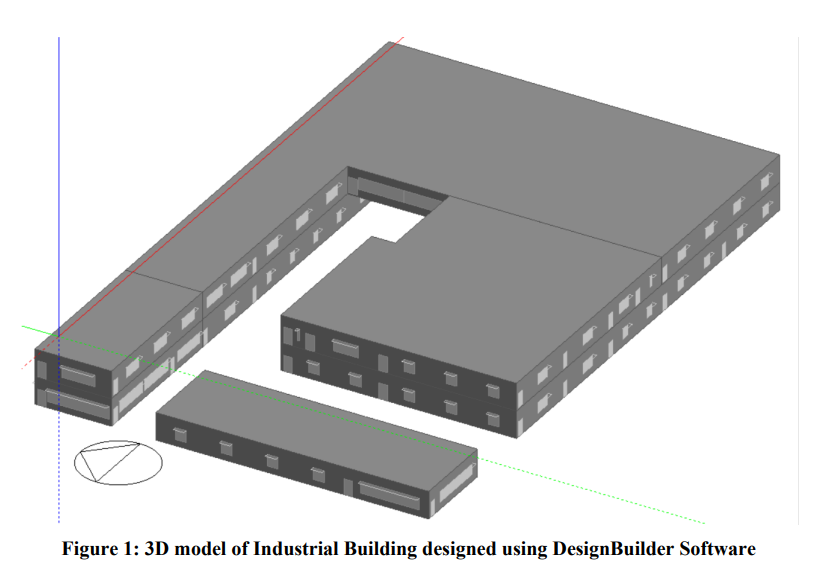
If you're designing, developing or permitting a building today, chances are you've come across the term building energy modeling — sometimes called whole-building energy simulation. It sits behind energy-code approvals, LEED points and net-zero targets, yet it's often treated as a mysterious black box. This article breaks down what it actually is, how it works, and why it has become essential to getting projects approved.
So, what is building energy modeling?
A building energy model is a detailed digital replica of a building's physics. Specialist software recreates the geometry, construction materials, glazing, HVAC systems, lighting, hot water and how people use the space — then simulates the building hour by hour across a full year using local weather data. The result is a reliable prediction of how much energy the building will consume and how comfortable it will be.
Think of it as a flight simulator for a building: it lets us "operate" the design for a whole year before a single brick is laid, and test changes risk-free.
What goes into a model
- The envelope — walls, roof, floors, insulation and thermal bridging.
- Glazing & shading — window performance, orientation and solar control.
- HVAC systems — heating, cooling, ventilation and controls.
- Lighting & equipment — power densities and daylight response.
- Schedules — occupancy, operating hours and set-points.
- Weather — a typical meteorological year for the project's location.
Why it matters for compliance
Most modern energy codes and certification schemes offer a performance path: instead of meeting rigid prescriptive rules item by item, you demonstrate that your design performs as well as — or better than — a defined baseline. That comparison can only be made with an energy model. It's the engine behind:
- ASHRAE 90.1 Appendix G Performance Rating Method
- LEED Energy & Atmosphere credits (EAp2 / EAc2)
- NYC Energy Code, California Title 24 and Florida compliance
- NCC 2019 & 2022 (Australia), including JV3 and NatHERS
- UK Part L via SBEM/BRUKL, plus WELL, EDGE and BREEAM
Beyond ticking the box
The real value of energy modeling isn't just passing a code — it's making better decisions. By testing options early, we can compare glazing specs, right-size HVAC equipment, evaluate renewables and quantify the payback of efficiency measures. That often means a building that's cheaper to run, more comfortable, and earns more certification points for less cost.
When should you start?
As early as possible. A model built during schematic design can shape orientation, massing and envelope choices that are expensive to change later. But energy modeling adds value at every stage — from concept all the way to final compliance documentation and submission.
Have a project that needs an energy model?
Tell us your building and target code or certification — we'll come back with scope, timeline and a quote.
Get in touch