For architects, an energy modeler should feel less like a compliance hurdle at the end and more like a design partner from the start. The two things that make that collaboration work are simple: what you provide, and — just as important — when.
Why timing matters most
The decisions that most affect energy — orientation, massing, window-to-wall ratio, glazing and shading — are made early and get expensive to change later. A model brought in at schematic design can steer those choices when they're still fluid. A model brought in at the end can only document what's already fixed. Early modeling is design leverage; late modeling is paperwork.
What to provide, by stage
- Concept / schematic: massing, orientation, rough floor areas, intended use, target code/certification. Enough for early comparisons of orientation, glazing ratio and form.
- Design development: developed plans/sections/elevations (or the BIM model), envelope intent (assemblies, glazing U-factor/SHGC), and outline HVAC strategy.
- Construction documents: final drawings, confirmed envelope and glazing specs, mechanical/lighting schedules and controls — everything needed to finalize compliance documentation.
Working from your BIM
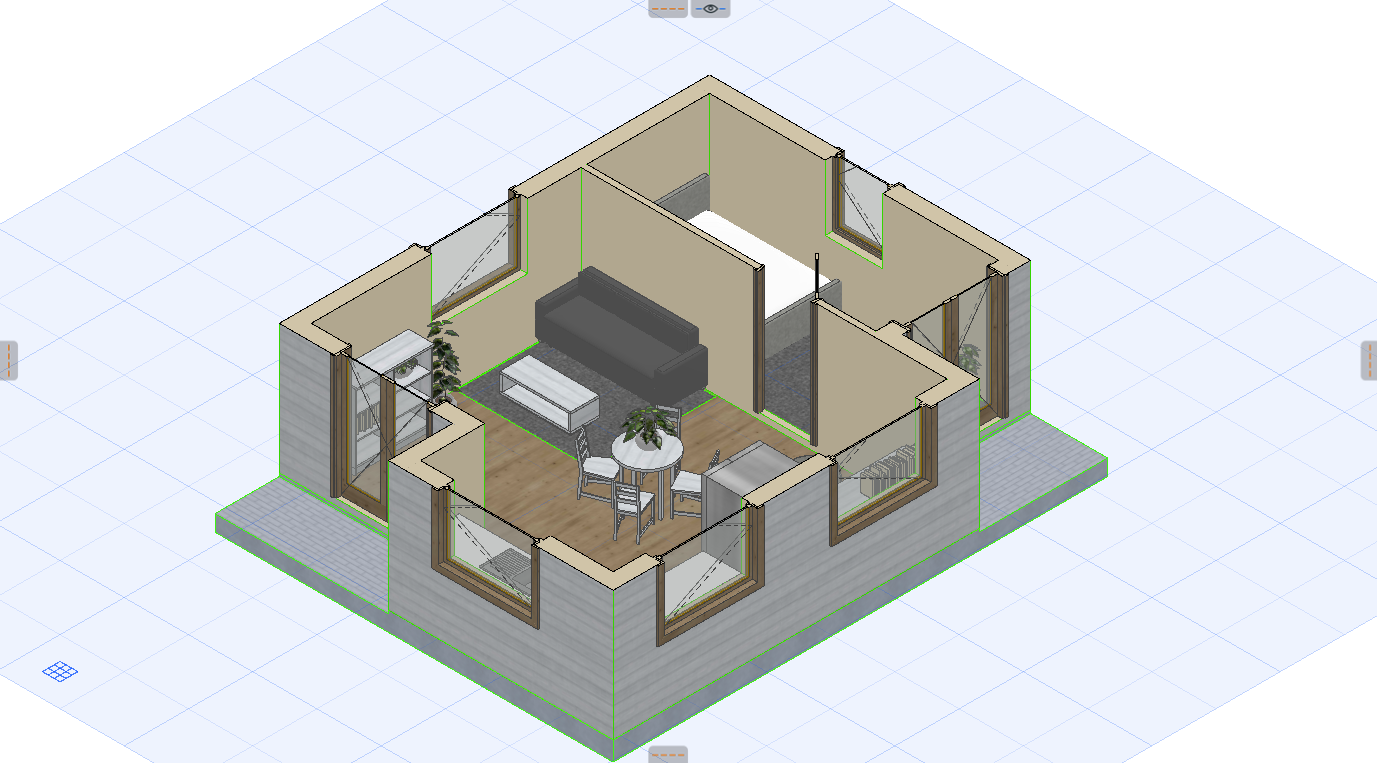
If you model in Revit, ArchiCAD or similar, that geometry is a useful starting point — though energy models need clean, simplified thermal geometry rather than full construction detail. Sharing the model (or clean exports) saves time, but well-organized drawings and an area schedule work just as well. For the full input list, see what files are needed for a building energy model.
What you get back
Beyond a compliance result, good modeling gives architects decision support: how orientation and glazing affect performance, where a facade is losing energy, and the most cost-effective way to hit LEED energy points or code targets — while protecting the design intent.
Working on a project that needs modeling?
We work alongside architects from schematic design through submission — early advice when it counts, clean documentation when you need it. Let's talk.
Get in touchThis article is general guidance and reflects typical practice; specific deliverables vary by project, code and certification.